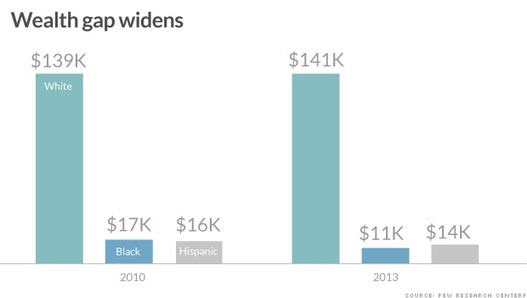
Wealth gap between whites and blacks and whites and Hispanics widens to near record levels.
Source: money.cnn.com

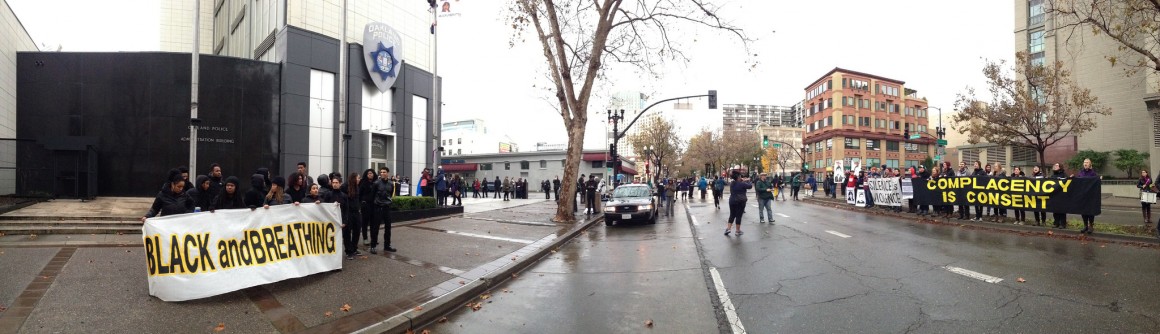
Wealth gap between whites and blacks and whites and Hispanics widens to near record levels.
Source: money.cnn.com

My keynote speech at the MOSAIIC conference, 12/5/2014 in Lexington KY at the Lyric Theatre, organized by Bluegrass Community and Technical College.
Source: oppressionmonitor.us
[soundcloud url=”https://api.soundcloud.com/tracks/180641491″ params=”color=ff5500″ width=”100%” height=”166″ iframe=”true” /]
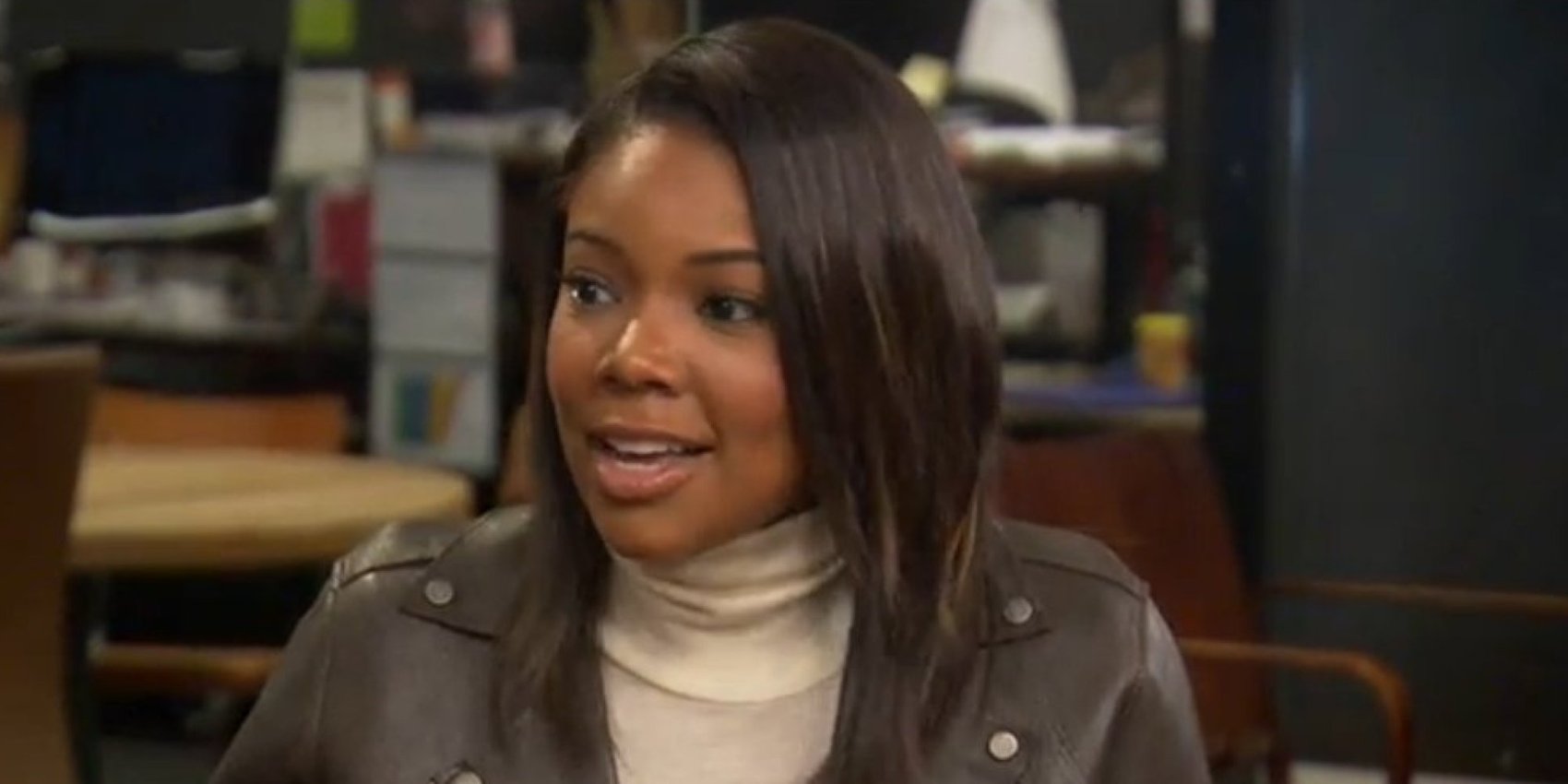
There’s a lot to complain about in the way the justice system has handled the deaths of Michael Brown and Eric Garner, but Gabrielle Union’s chief concern is the lack of compassion in the response to it all.
– Click through for video –
Source: www.huffingtonpost.com
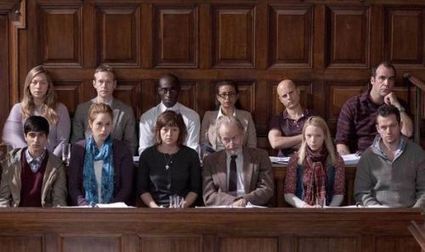
A grand jury (since 1166) is made up of 12 to 23 people. It is used by public prosecutors, sometimes judges, to look into possible wrongdoing, generally a serious crime like murder, rape or fraud.
They do not determine guilt, but whether there should be a trial.
Grand juries can issue an indictment. It lists which people are to be brought to trial charged with what crimes.
Judges can also determine whether there should be a trial by holding apreliminary hearing with the lawyers from both sides.
Public prosecutors (county prosecutors, district attorneys, state attorneys, etc) can also bring charges on their own if there is enough evidence – even when the grand jury returns no indictment.
…
Police brutality: Public prosecutors are in bed with the police: they work with them and depend on them. That creates a conflict of interest when the police commit a crime. Throwing it to a grand jury gives an appearance of fairness, but because grand juries rarely disagree with prosecutors, it becomes a way to avoid bringing charges. That is how the police officers who killed Michael Brown, Eric Garner and John Crawford avoided arrest, trial and prison.
– Click through to read more –
Source: abagond.wordpress.com
Rev. Al Sharpton calls for national police brutality protests on Dec. 13th http://t.co/zibanmGcXu – #EricGarner pic.twitter.com/VT18BlrVha
— RT America (@RT_America) December 4, 2014
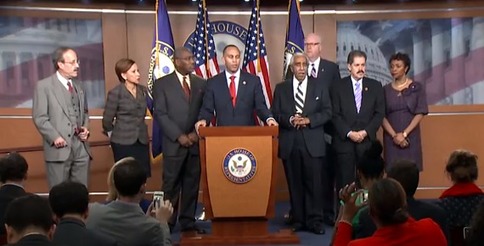
New York, N.Y. – A U.S. congressional delegation of Congressmen from New York, representing a broad cross section of ethnicity, held a press conference to express their absolute disgust with the grand jury decision to not indict anyone in the killing of Eric Garner.
“The decision by a grand jury not to indict in the death of Eric Garner is a miscarriage of justice. It’s an outrage, it’s a disgrace, it’s a blow to our democracy and it should shock the conscience of every single American who cares about justice and fair play,” said Rep. Hakeem Jeffries.
– Click through for [VIDEO] –
Source: thefreethoughtproject.com
#BLACKLIVESMATTER
#iCANTBREATH
#SHUTitDOWN
#CANCERofRACISM
Listing of planned #ThisStopsToday events after the Eric Garner Grand Jury announcement.
Source: fergusonresponse.tumblr.com
#iCANTBREATH #HANDSUPDONTSHOOT #SHUTitDOWN
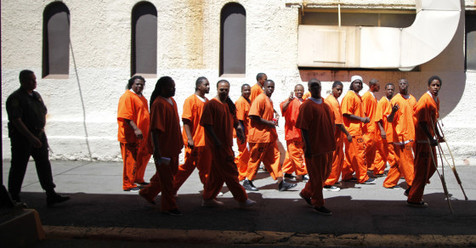
According to new research, the size of a state’s black population—not the crime rate—is the strongest indicator of harsher punitive practices
Source: www.vocativ.com
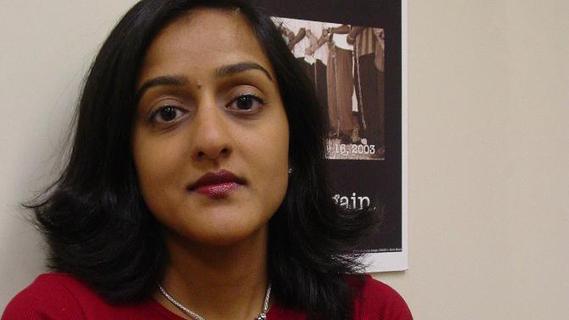
Vanita Gupta was only weeks out of law school in 2001 when she began looking into a strange series of drug busts in a tiny West Texas ranch town named Tulia.
In 1999, a third of the town’s black population had been ensnared in the biggest drug bust the Texas Panhandle had ever seen. Forty-six people, almost all of them poor African-Americans who had prior run-ins with the law, were convicted on charges of cocaine dealing and sentenced to years in prison based solely on the testimony of a former rodeo clown turned undercover cop who had little experience investigating narcotics.
Gupta, then 26, had just joined the NAACP’s Legal Defense Fund, and she began assembling a team of attorneys and civil rights groups to look into the drug arrests, which didn’t smell right to her. It was her first case as an attorney. Two years later, a Texas judge overturned many of the convictions, calling the cop’s testimony not credible. After the officer was found guilty of perjury, Gov. Rick Perry pardoned most of the defendants whose convictions had not been previously overturned.
It was one of the highest-profile cases of racial injustice in recent memory, and it branded Gupta, so young she still resembled a college student, a rising star in the legal world. “Don’t be surprised if she ends up on the Supreme Court someday,” the Houston Chronicle mused in 2003. And Hollywood took notice too, optioning a book about the Tulia case.
In the decade since, Gupta has gone on to become one of the best-known civil rights attorneys in the country — leading the charge on prison reform, immigration law, police overreach and other issues.
Source: news.yahoo.com