WNYC reporter Sarah Abdurrahman is detained at the border along with multiple family members, and is now filing an official complaint
See on colorlines.com

WNYC reporter Sarah Abdurrahman is detained at the border along with multiple family members, and is now filing an official complaint
See on colorlines.com
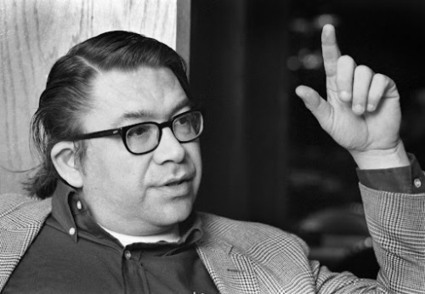
“Note: This post is based on “We Talk, You Listen” (1970) by Vine Deloria, Jr (pictured), a Native American (Sioux) writer. His ideas, my words:
By 1970 it was clear to most people that American history was too white as commonly taught at schools and universities. There were two main schools of thought about how to set it right:”
See on abagond.wordpress.com
“Building Brides is our response to the persistence of violence in our society and against members of our ethnic communities, the most recent instance being that of the killings at the Sikh Gurdwara (temple) in Wisconsin.
The primary objective of this event is to create, promote and render a thought-provoking civil discourse among members of our communities.”
See on www.youtube.com
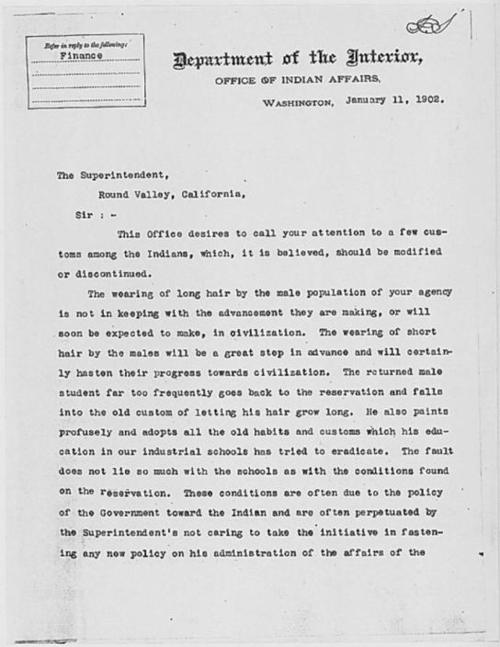
“It was 1902. The government was unhappy that Indians were acting like, well, Indians, with their own customs and ways of life. The government wanted to make the Indians white, or what they called “civilized,” so they would stop causing trouble with all of those “unacceptable ways.”
So on January 11, 1902, the Department of the Interior, Department of Indian Affairs, issued a letter instructing that Native people should cut their hair (males), stop painting themselves, start wearing white people’s clothes, stop wearing Indian clothes and blankets, and stop having dances and feasts.”
Eliminate your culture – or else.
My son has long hair and people give me grief about it.
No one gave me grief about my daughter’s long hair.
See on nativeheritageproject.com
“The Taino genocide (1492-1518) is where the Spanish wiped out most of the Tainos (Arawaks), the native people of the northern Caribbean (present-day Cuba, Jamaica, Haiti, Dominican Republic, Puerto Rico, Bahamas, etc). Columbus himself set it in motion and oversaw it till 1500.
According to one estimate, genocide and disease wiped out 3 million of the 3.5 million Tainos – 85%. Most were already dead when smallpox arrived in 1518.
…”
I read about this in a community college history book.
See on abagond.wordpress.com
CNN Headline News profiles professor of art Ken Gonzales-Day about his exhibition examining lynchings during California’s early history.
See on www.youtube.com
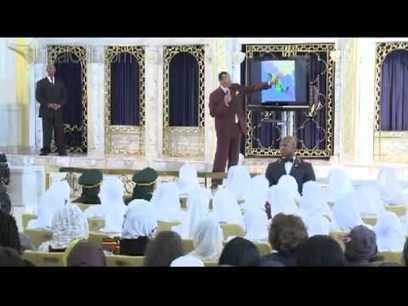
(FinalCall.com) – Speaking on the so-called immigration controversy during his Oct. 21, 2012 address, Minister Farrakhan said everyone should be given the pa…
See on www.youtube.com
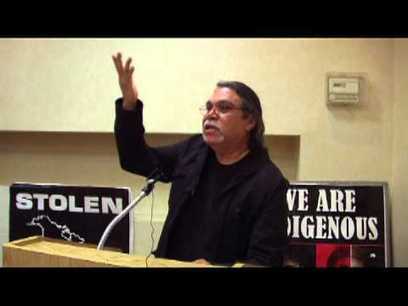
“This video recording is from a presentation in Phoenix, Arizona on February 16, 2013. Olin Tezcatlipoca lectures with a poem on the disastrous state of our mental and economic affairs as a Nican Tlaca people, as Indigenous people.”
See on www.youtube.com
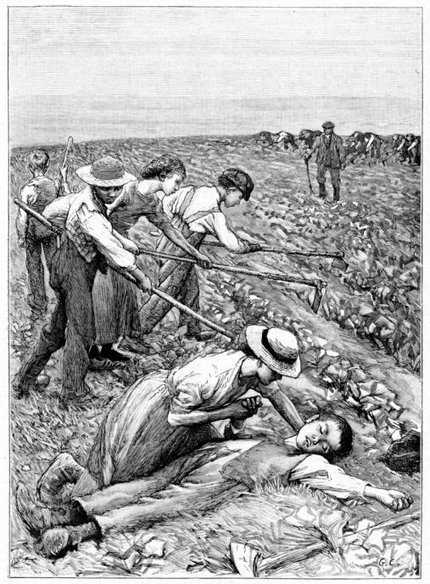
“Children are particularly vulnerable to the harmful effects of pesticide exposure as their bodies are still developing, and they consume more water and food and breathe more air, pound for pound, than adults. Long-term effects of pesticide exposure include cancer, neurological problems and reproductive health issues.
Most children working on farms in North Carolina are poor and Latino. While their parents are frequently undocumented migrants, most of the children are U.S. citizens. Farmworker parents rely on their children’s minimum wage earnings to help supplement meager family incomes, averaging less than $20,000 annually nationwide.
Under a double standard in federal labor law, children can work in agriculture at far younger ages, for far longer hours and in far more hazardous conditions than other working children. Federal law has no minimum age for children to work on small farms with their parents’ permission. At age 12, children can work for hire on a farm of any size.
…”
Racist U.S. laws allow certain groups of children (mostly Latino) to work in these dangerous conditions.
See on www.newsobserver.com
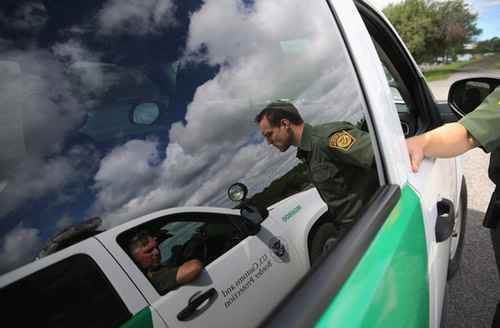
On this week’s episode of Need to Know, our team traveled deep into the mountains of central Mexico to speak with a woman who says she was sexually assaulted by a Border Patrol officer. Later, correspondant John Larson speaks with a former Border Patrol agent turned whistleblower, who describes deplorable conditions in detention centers.