WNYC reporter Sarah Abdurrahman is detained at the border along with multiple family members, and is now filing an official complaint
See on colorlines.com

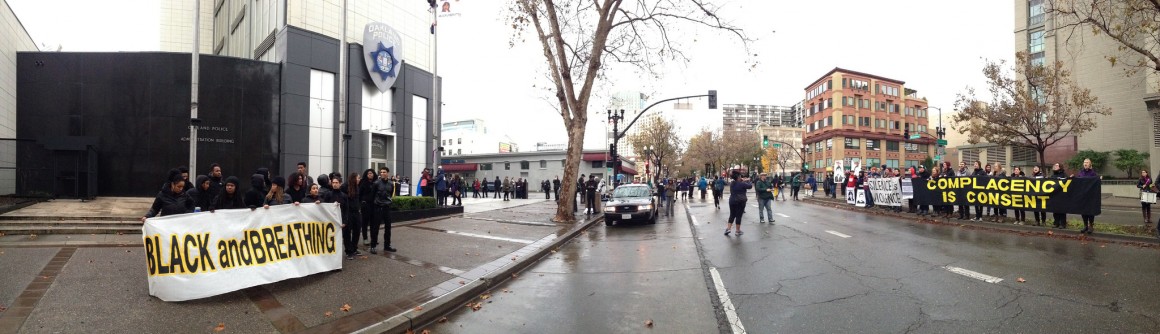
WNYC reporter Sarah Abdurrahman is detained at the border along with multiple family members, and is now filing an official complaint
See on colorlines.com
“Building Brides is our response to the persistence of violence in our society and against members of our ethnic communities, the most recent instance being that of the killings at the Sikh Gurdwara (temple) in Wisconsin.
The primary objective of this event is to create, promote and render a thought-provoking civil discourse among members of our communities.”
See on www.youtube.com
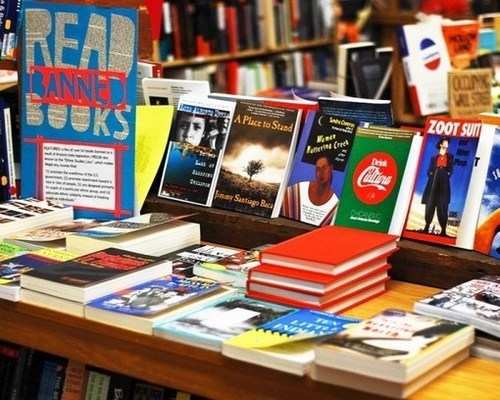
“In that practice of striving to disrupt oppressive-repressive discourses and decolonize the mind, I’ve decided to post 6 books that changed my life–some of these are banned from being read by high school students in Arizona. I realize many of these are pretty much a no-brainer for those of us who are already attempting decolonial praxis in our daily struggle, but nevertheless I feel deeply indebted to these authors for impacting my life with their radical words, ideas, and their overall activist approach towards writing.”
See on discoursedisruption.wordpress.com
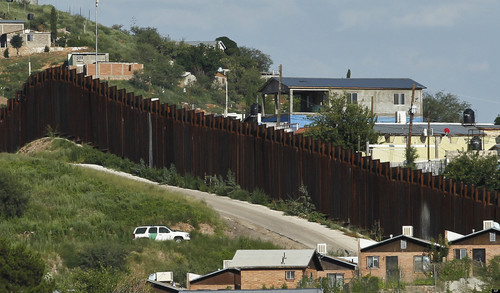
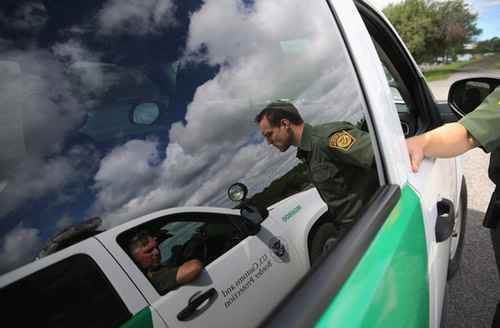
The U.S. Border Patrol is facing criticism at the United Nations for killing Mexicans.
See on www.huffingtonpost.com
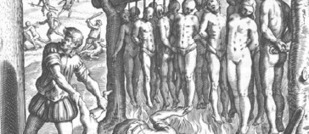
“The Taino genocide (1492-1518) is where the Spanish wiped out most of the Tainos (Arawaks), the native people of the northern Caribbean (present-day Cuba, Jamaica, Haiti, Dominican Republic, Puerto Rico, Bahamas, etc). Columbus himself set it in motion and oversaw it till 1500.
According to one estimate, genocide and disease wiped out 3 million of the 3.5 million Tainos – 85%. Most were already dead when smallpox arrived in 1518.
…”
I read about this in a community college history book.
See on abagond.wordpress.com
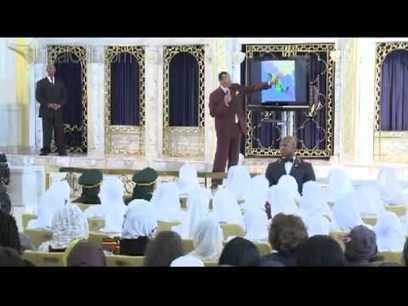
(FinalCall.com) – Speaking on the so-called immigration controversy during his Oct. 21, 2012 address, Minister Farrakhan said everyone should be given the pa…
See on www.youtube.com
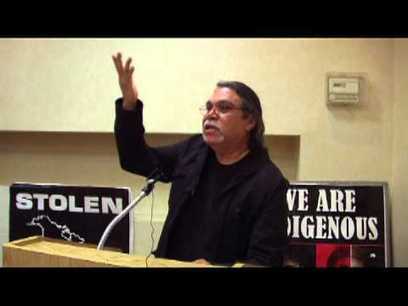
“This video recording is from a presentation in Phoenix, Arizona on February 16, 2013. Olin Tezcatlipoca lectures with a poem on the disastrous state of our mental and economic affairs as a Nican Tlaca people, as Indigenous people.”
See on www.youtube.com
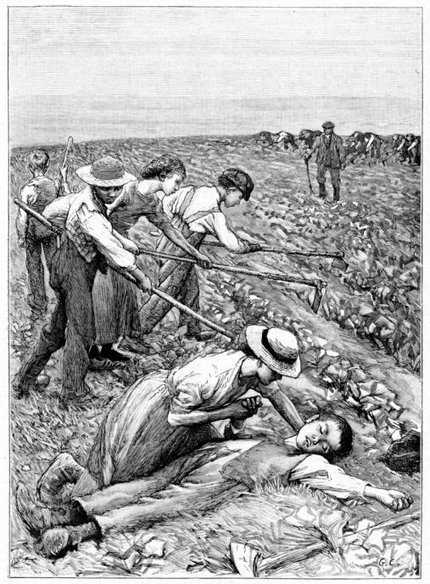
“Children are particularly vulnerable to the harmful effects of pesticide exposure as their bodies are still developing, and they consume more water and food and breathe more air, pound for pound, than adults. Long-term effects of pesticide exposure include cancer, neurological problems and reproductive health issues.
Most children working on farms in North Carolina are poor and Latino. While their parents are frequently undocumented migrants, most of the children are U.S. citizens. Farmworker parents rely on their children’s minimum wage earnings to help supplement meager family incomes, averaging less than $20,000 annually nationwide.
Under a double standard in federal labor law, children can work in agriculture at far younger ages, for far longer hours and in far more hazardous conditions than other working children. Federal law has no minimum age for children to work on small farms with their parents’ permission. At age 12, children can work for hire on a farm of any size.
…”
Racist U.S. laws allow certain groups of children (mostly Latino) to work in these dangerous conditions.
See on www.newsobserver.com
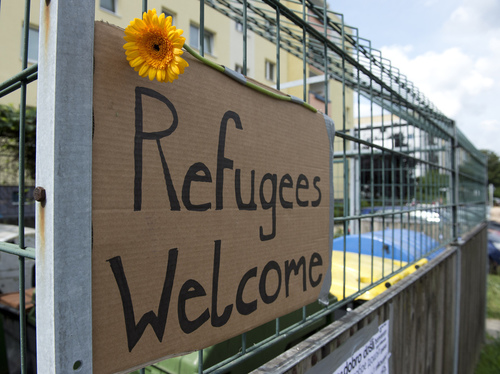
Germany’s Refugee Policy Tested By New Arrivals : Parallels : NPR. As many as 5,000 Syrian refugees are after Chancellor Angela Merkel’s government agreed to a U.N. request to host them. But they a…
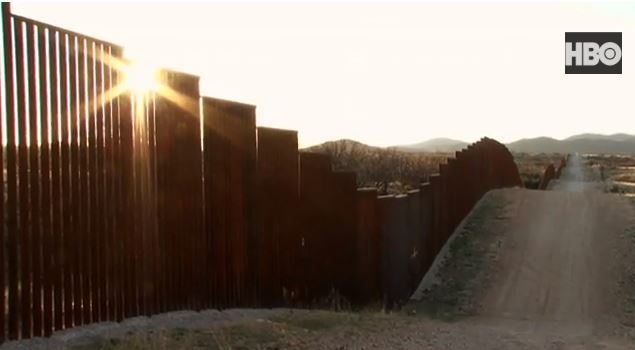
The Fence
Examines the impact of the controversial fence along the U.S.-Mexico border.
The whole movie is available through HBO or HBO Go.
Apple TV now has access to HBO Go.
In this short documentary they show