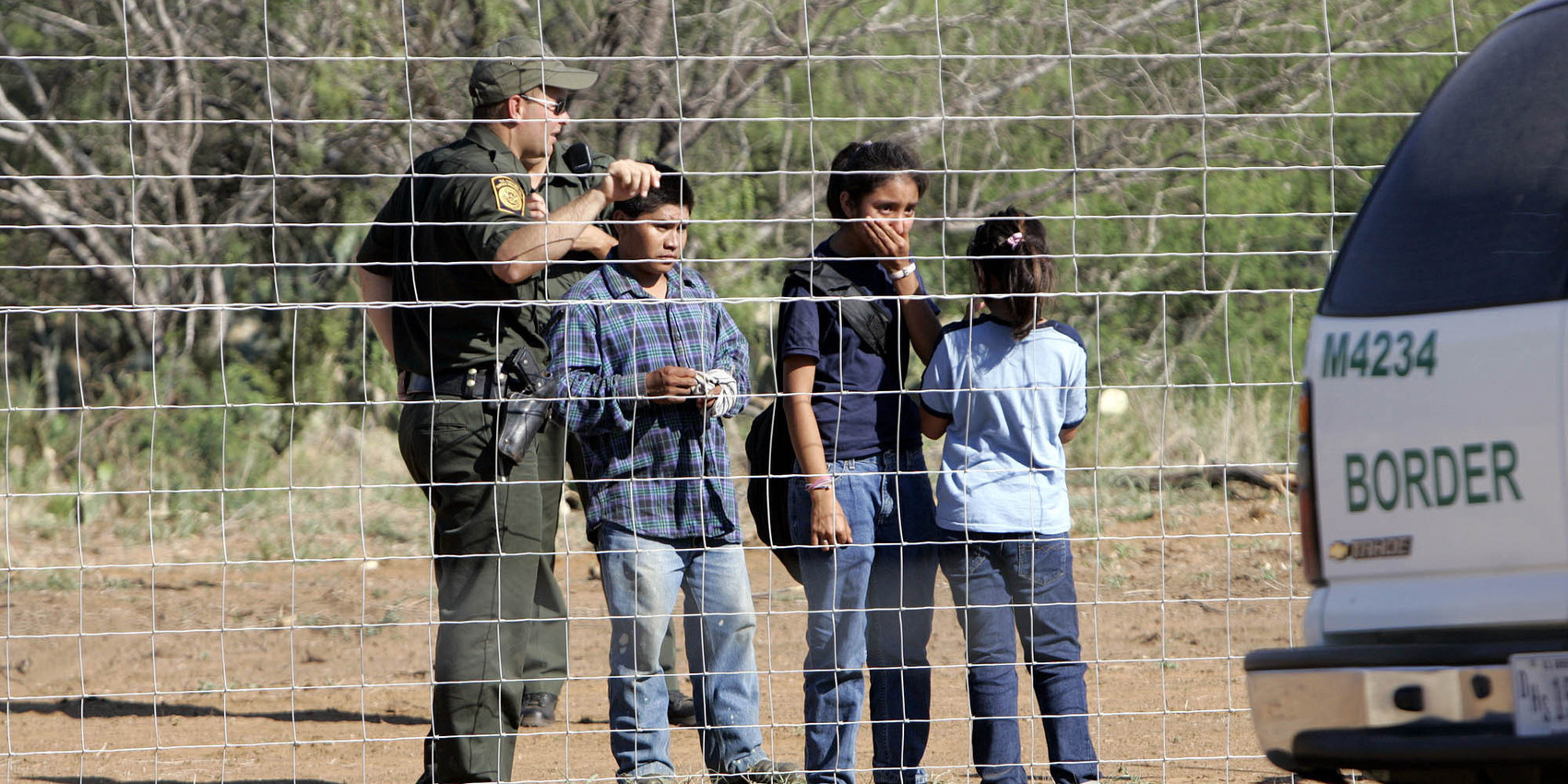
Lives in limbo: A guide to who’s waiting for immigration reform


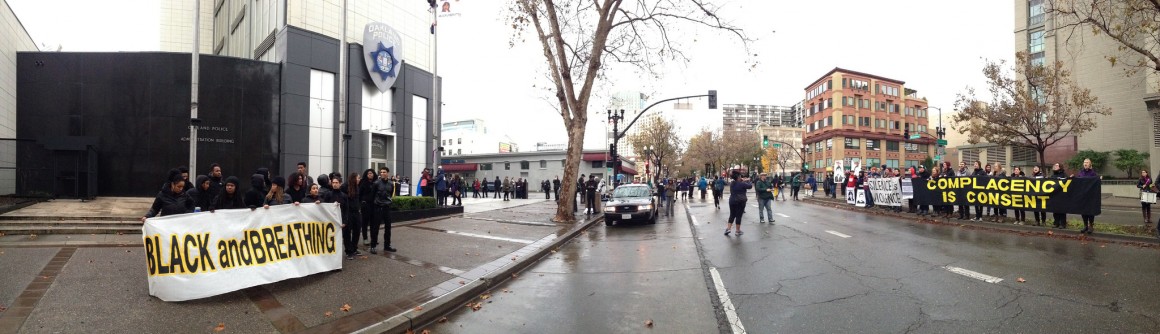
Immigration policy is leading to broken families, children in crisis and border deaths.


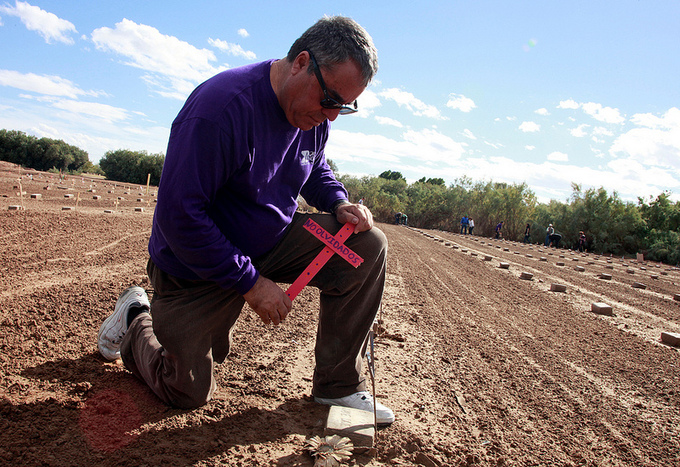
Since border security has increased, deaths of (im)migrants and refugees has escalated.


The data: This year, an average of 31,410 captives were held daily in U.S. detention facilities. In 2012, 478,000 foreign nationals were detained — an all-time high. Officially, 2013 saw the second-highest number of migrant remains found on the U.S.-Mexico border.


Click through to read more.


Source: www.washingtonpost.com

Rush to Deport Could Trample Asylum Claims – The Boston Globe

HARLINGEN, Texas — The first time her aunt in Mexico took her out at night, the young teenager was told they were headed to a party. It was no party. “It was trafficking people, drug dealers,” she recalled. “I just saw a lot of guys. They had guns. I was in shock. I was shaking. The more I was saying no, the more they treated me badly.”

Source: www.bostonglobe.com

VIDEO – Luis Gutierrez about children at the border


Rep. Luis Gutierrez, D-Ill., says the “border is secure,” and he warns against demonizing the undocumented children arriving at the U.S. from Central America.


Source: www.cbsnews.com


Does anyone think that Central American has been manipulated in order to provide a new source of low cost labor to the U.S.?


How is it that Central American countries used to be livable but now are too dangerous to live in?


What international politics have cause this chaos?


The process Congress wants to use for child migrants is a disaster


A secret UN report obtained by Vox reveals Border Patrol agents are failing to protect Mexican children.

Mexican children are treated differently than Central American children at the border

BY LAW, AGENTS SHOULD ASSUME CHILDREN ARE IN DANGER; IN PRACTICE, AGENTS ASSUME THEY’RE NOT

It’s not that Central American kids need to be protected less; it’s that Mexican kids need to be protected more


Source: www.vox.com

Border Angels – The Power of One


Since 1994, 10,000 people have died trying to cross the border between the United States and Mexico, according to Enrique Morones founder of Border Angels. Among those who attempted the journey are men, women and young children. Due to harsh weather conditions, tough terrain and often the expensive price migrants must pay to smugglers, however, many do not make it across.

Founded by Morones in 1986, Border Angels is a non-profit organization dedicated to providing humanitarian assistance to undocumented immigrants. After bringing food and water to migrants who were living in the canyons of North County San Diego, Morones and the Border Angels expanded their operation by going out to the desert to place water near the recently constructed wall dividing the United States and Mexico, also known as Operation Gatekeeper.

“Before Operation Gatekeeper, one or two people died every month,” said Morones.

“After Operation Gatekeeper, one or two people die every day.


Click through to read more.


Source: misaelvirgen.blogspot.com

Children from Central America – Origins of Crisis


Over the last year, an unprecedented number of unaccompanied immigrant children, mostly from Central America, have attempted to cross the border into the United States. Antonio Gonzalez, president of the William C. Velasquez Institute,explains the roots of the migration surge and the politics behind it.


Source: www.tavissmileyradio.com


An in depth explanation of the origins of the crisis that has lead children to flee to the U.S.


Eleven minutes of audio.


One point Gonzalez had wrong is that the crisis started back in 2009, years longer than the one year that he suggested.


“Welcome To Hell”: The Border Patrol’s Repeated Abuse Of Children


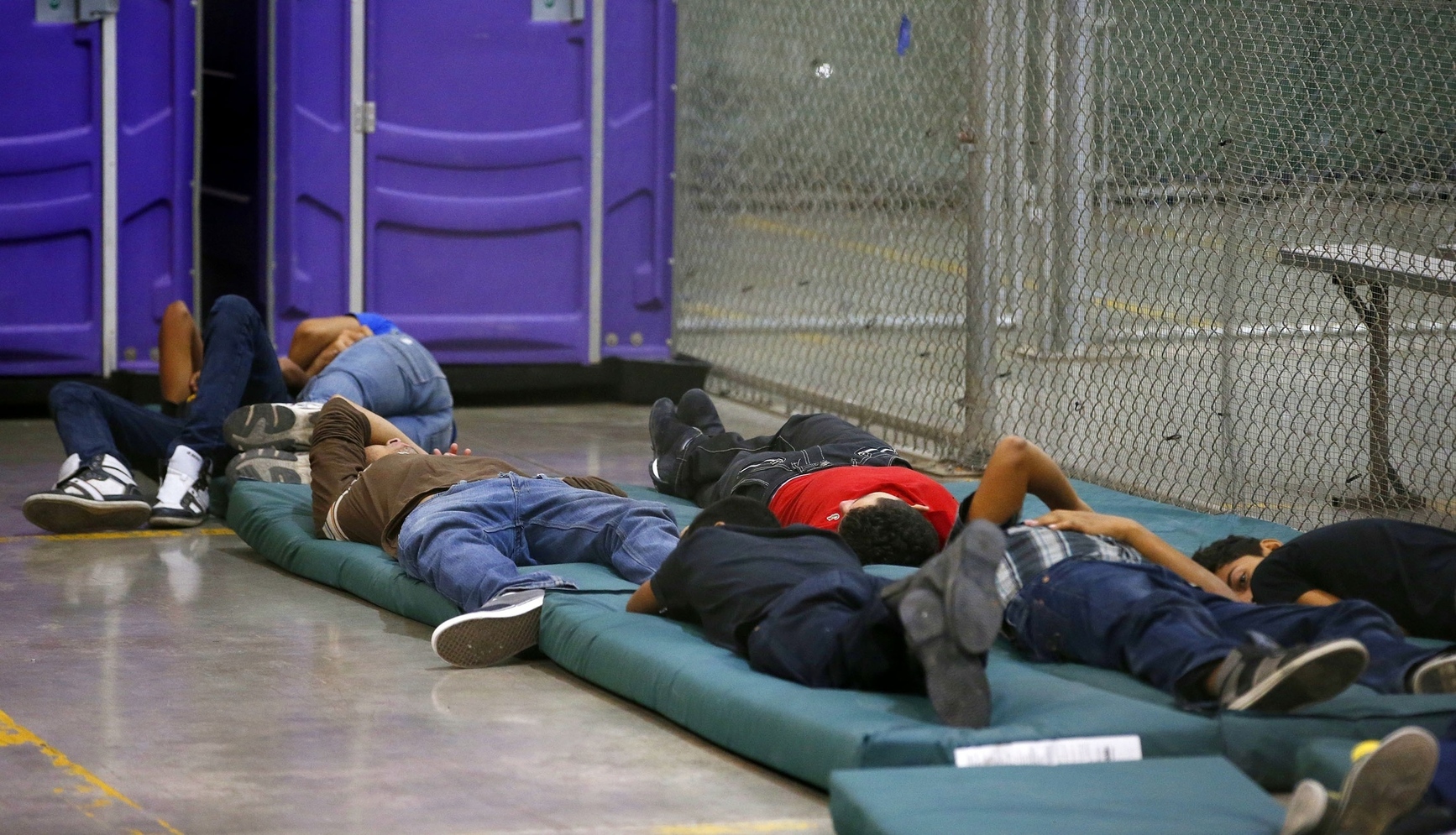
Detainees wrested from sleep every 30 minutes, the lights in their frigid cells never turned off. One detainee told by officials, don’t lie or you’ll be raped. Another detainee sexually abused by guards. Detainees forced to stand in stress positions. Others denied adequate food, water, and medical treatment and held in dehumanizing conditions. “Welcome to hell,” one guard told a detainee, a good metaphor for what occurs across these sites of torment.

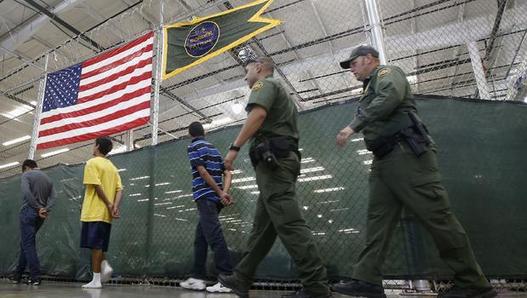
These incidents don’t come from military prisons in Iraq or Afghanistan or CIA black sites. This has been happening for years along the Southwest border in U.S. government facilities run by U.S. Customs and Border Protection (CBP) and its Border Patrol. The victims: children, some as young as infants, as documented in arecent complaint filed by a group of immigrant rights advocates who interviewed 116 unaccompanied children previously held in CBP custody.

Just as appalling, government agencies have known about these abuses for a long time, but failed to take action. Now, more children are vulnerable to harm in Border Patrol custody than ever before. Since October, 47,000 children have left their homes in Central America, mainly in El Salvador, Guatemala, and Honduras, for the United States. They flee destabilizing violence and crime fomented by criminal syndicates and gangs, more often than not without a loved one leading the way. With their fate far from certain, they make an arduous, perilous trek, sometimes spanning thousands of miles, in search of refuge in America. They risk it all, not so much in search of a better life, but simply to live.

Once here, many of these brave and resourceful children — who have already suffered abuse many times before throughout their lives — encounter not compassion and empathy from U.S. immigration officials but abuse. The most vulnerable are once again taught a cruel lesson: There’s nowhere safe for them to lay their heads down and just be children.

The advocates’ interviews with unaccompanied children are chilling.

One in four detained children reported physical abuse at the hands of CBP, including sexual assaults and beatings. More than half reported verbal abuse, including racist and sexist insults and even death threats, as well as the denial of urgent medical care. In one instance, a 14-year-old girl’s asthma medication was confiscated. She subsequently suffered multiple asthma attacks. After the first attack, CBP officials threatened her, telling her she better not be faking or else.

Seven out of ten interviewed reported detentions lasting longer than the 72-hour period mandated by law. Three out of ten children reported that their belongings were confiscated and never returned. Many others reported being shackled during transport, the metal restraints excruciatingly digging into their wrists and ankles. Eighty percent reported CBP personnel denied them adequate food and water.

Sometimes the cruelty shocks the conscience.

One 17-year-old girl, soaking wet, was placed in a frigid holding cell, which detained children commonly referred to as the hielera, or the freezer. Her only drinking water came from the toilet tank. When she had to use the toilet, she found herself exposed to other detainees and a wall-mounted security camera.


Click through to read more.


Source: www.huffingtonpost.com